Our Mole Control Process
If your lawn has been taken over by raised ridges of dirt, soft tunnels beneath the grass, or unsightly mounds appearing overnight, you're likely dealing with moles. Mole damage happens fast, and it doesn't stop on its own. A single mole can tunnel up to 100 feet in a single day, turning a healthy lawn into a maze of underground channels that destabilizes the ground, damages root systems, and creates tripping hazards for your family.
Manning's Pest Control has been removing moles from Brunswick County properties since 1976. Our three-step mole control process comes backed by a full one-year guarantee — the kind of committed, results-focused service that has made us one of the most trusted names in the county for nearly 50 years.
How to Know If You Have Moles
Moles are rarely seen directly. They spend almost their entire lives underground, surfacing only occasionally. What you will see are the signs they leave behind.
What Mole Damage Looks Like
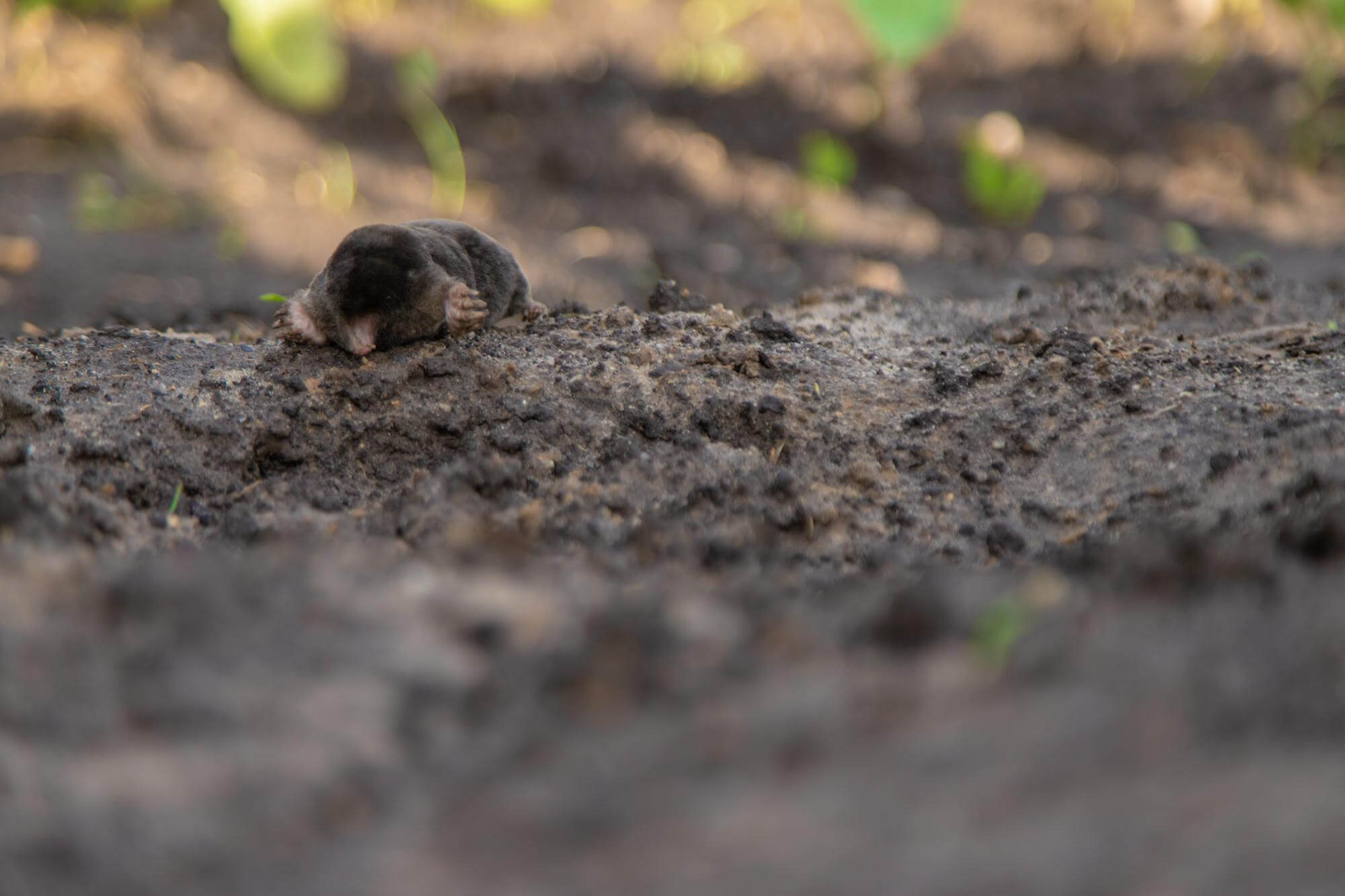
The most obvious sign of mole activity is the raised tunnel ridge: a long, winding line of raised, soft earth that follows the mole's path just below the surface. These surface tunnels are the feeding runs where moles search for earthworms, grubs, and soil insects. You'll also see mole hills, which are cone-shaped mounds of excavated dirt pushed up from deeper tunnels below.
Other signs of mole activity include:
- Soft, spongy patches of lawn where the ground gives underfoot
- Dead grass or brown patches along tunnel lines, where root systems have been severed
- Visible raised ridges appearing overnight, particularly after rain softens the soil
- Irregular mounds of loose dirt scattered across lawns and garden beds
Why Moles Choose Your Yard
Moles prefer loose, moist soil with an abundant supply of earthworms and soil insects. Brunswick County's sandy, moisture-retaining coastal soils are among the most favorable mole habitats in North Carolina. Lawns with regular irrigation, well-composted garden beds, and shaded areas that retain moisture year-round are particularly attractive to moles. The quieter and less disturbed a yard is, the more hospitable it becomes — moles actively avoid areas with high foot traffic and vibration.
Why Mole Problems Need Professional Attention
Moles are notoriously difficult to remove without professional expertise. Their elusive underground lifestyle means that trap placement is everything — a trap set in the wrong tunnel type or at the wrong depth will be bypassed entirely. Over-the-counter deterrents, sonic spikes, and home remedies have a well-documented record of ineffectiveness against established mole activity.
The cost of inaction is also significant. As moles expand their tunnel networks, they compound the damage to your lawn, destabilize garden beds, and can compromise the structural integrity of the soil around walkways, patios, and the foundation perimeter of your home. Early intervention produces far better results than waiting until the damage is extensive.
Manning's Three-Step Mole Control Process
Manning's follows a proven, systematic process for mole removal that combines accurate identification, targeted trapping, and follow-up verification to produce lasting results.
- Property assessment. Our technician inspects your property to identify active tunnel systems, distinguish surface feeding runs from deeper travel tunnels, and assess the extent of the infestation. Accurate tunnel identification is the most critical factor in effective trap placement — it's where most DIY attempts fail.
- Targeted baiting, smoking of tunnels, and treating the food source.
- Verification and follow-up. Once mole activity has stopped, we verify that the infestation has been fully addressed and advise on conditions that may have contributed to the problem.
Why Choose Manning's for Mole Control
Mole removal is not a standardized service. Successful results depend on the experience to accurately read tunnel systems, the skill to place traps correctly, and the persistence to follow through until the job is complete. Manning's has been doing this work in Brunswick County for nearly 50 years, and our technicians bring genuine field experience to every mole control call.
We also bring the broader pest and wildlife knowledge that comes from being a full-service pest control company. Mole activity is sometimes accompanied by grub infestations in the lawn — moles follow their food — and addressing the underlying soil insect population can be an important part of a comprehensive solution. Our pest control services and wildlife exclusion expertise both inform the way we approach mole problems.
Our 4.95-star rating across hundreds of reviews reflects a team that takes results seriously and stands behind its work. To read what our customers say, visit our reviews page.
Frequently Asked Questions
Are moles protected in North Carolina?
No. Moles are not a protected species in North Carolina and can be legally removed by property owners and licensed pest control professionals. However, effective removal requires proper trap selection and placement that is difficult to achieve without professional training and experience.
How long does mole removal take?
Timeline varies based on the size of the tunnel network and the number of moles present. Most properties see significant results within one to two weeks of treatment. Our process includes follow-up visits to check and reset traps as needed until the problem is fully resolved.
Will moles come back after removal?
Moles are territorial, and a successfully treated property will typically remain clear for a meaningful period after removal. However, neighboring properties can serve as a source of new moles over time, particularly in areas with loose, moist soil.
Do moles cause damage beyond the lawn?
Yes. Beyond the visible lawn damage, moles can destabilize the soil around walkways, patios, and foundation perimeters. In garden beds, tunnel systems can sever root systems and kill established plants. Addressing mole activity promptly limits the cumulative cost of the damage.
How do I schedule mole control service?
Contact our team through our contact page or give us a call for a free estimate. We serve Brunswick County and the surrounding area and can typically schedule your first visit promptly.
What if I'm not sure whether I have moles or voles?
Moles and voles both create lawn damage but through different mechanisms, and they require different treatment approaches. Our technician will accurately identify which animal is causing your problem during the initial property assessment, so you receive the right treatment from the start.
Get Your Lawn Back
Mole damage compounds quickly and doesn't resolve on its own. Manning's three-step process and one-year guarantee give you a clear path to a restored lawn and the confidence that the work will be done right. Contact us today to schedule your free estimate.